





How Often Can You Change Your Apple Watch Straps?
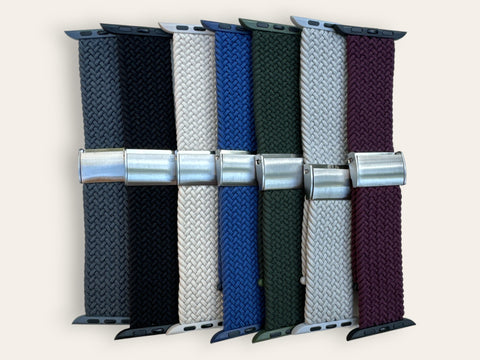
Quick Answer
Most fabric, leather, and silicone Apple Watch bands are replaced within 1–3 years, while quality stainless steel, titanium, and ceramic bands can last significantly longer.
That said, most Apple Watch users don't replace bands because they break. After helping customers choose Apple Watch bands since 2018, we've found that comfort, lifestyle changes, visible wear, and style preferences are far more common reasons for replacement than complete failure.
In many cases, a band is replaced simply because it no longer fits how someone uses their Apple Watch.
What Affects How Long an Apple Watch Band Lasts?
Several factors influence how quickly a band shows wear.
Daily Use
How often you wear a band has a major impact on its lifespan.
Customers who wear the same Apple Watch band every day typically notice wear much sooner than those who rotate between two or three bands.
For example:
-
Daily office wear can gradually wear down clasps, buckles, and adjustment holes.
-
Frequent workouts expose bands to sweat, stretching, and repeated movement.
-
Outdoor activities increase exposure to dirt, UV rays, moisture, and temperature changes.
The more environments a single band is exposed to, the faster signs of wear tend to appear.
Material Quality
Not all Apple Watch bands age the same way.
Higher-quality materials and better construction generally maintain their appearance, comfort, and structural integrity longer than lower-quality alternatives.
This is especially noticeable with metal bands, where clasp quality and link construction often determine longevity more than the material itself.
Cleaning and Maintenance
Sweat, oils, sunscreen, dirt, and lotions can gradually build up and accelerate wear.
Regular cleaning helps preserve both appearance and comfort.
For metal bands, it's also worth occasionally checking screws, links, and clasps to ensure everything remains secure.
Lifestyle Changes
One pattern we've consistently observed is that many customers replace bands when their routine changes.
Common examples include:
-
Starting a new workout routine
-
Transitioning to a more professional work environment
-
Traveling more frequently
-
Beginning sleep tracking
-
Wanting a lighter or more breathable material
In these situations, the existing band may still be functional but no longer be the best fit for daily use.
Typical Apple Watch Band Lifespan by Material
While every user is different, these are reasonable expectations for most Apple Watch bands.
| Material | Typical Lifespan |
|---|---|
| Silicone | 1–2 years |
| Braided Nylon | 1–3 years |
| Woven Nylon | 1–3 years |
| Genuine Leather | 1–3 years depending on care |
| Stainless Steel | 3+ years |
| Titanium | 3+ years |
| Ceramic | Many years with proper care |
These estimates assume regular use.
It's worth noting that many people replace bands long before these timelines simply because they want a different style, color, or material.
What We've Learned From Selling Apple Watch Bands Since 2018
One of the most interesting patterns we've observed is that most customers don't replace bands because they fail.
Instead, replacement is usually triggered by a change in preference.
The most common reasons include:
-
The band no longer feels as comfortable
-
They want a different look
-
Their daily routine has changed
-
They started exercising more often
-
The band has become difficult to keep clean
-
They want a material better suited for work, travel, or sleep
Another trend we frequently see is that customers rarely replace a worn band with the exact same style.
Instead, the replacement becomes an opportunity to try something different.
For example:
-
Silicone users often move to nylon for comfort.
-
Nylon users may add a metal band for work or special occasions.
-
Metal band owners frequently add a lighter band for workouts or sleep tracking.
Over time, many Apple Watch users build a small rotation rather than relying on one band for every situation.
Signs It's Time to Replace Your Apple Watch Band
A replacement may be worth considering if you notice significant wear, reduced comfort, or damage.
Silicone Apple Watch Bands
Watch for:
-
Cracking
-
Stretching
-
Persistent odor after cleaning
-
Discoloration
Nylon Bands
Watch for:
-
Fraying edges
-
Loose stitching
-
Reduced elasticity
-
Excessive fading
Leather Bands
Watch for:
-
Cracking
-
Splitting
-
Excessive drying
-
Weakening around adjustment holes
Metal Bands
Watch for:
-
Loose links
-
Damaged clasps
-
Excessive scratching
-
Reduced locking security
Any Band Material
Regardless of material, consider replacement if you notice:
-
Skin irritation
-
Poor fit
-
Loss of comfort
-
Damaged connectors
-
Difficulty securing the watch
Can Proper Care Make an Apple Watch Band Last Longer?
Absolutely.
A few simple habits can significantly extend the lifespan of most Apple Watch bands.
Clean Your Band Regularly
Removing sweat, oils, and debris helps maintain both appearance and comfort.
Let Bands Dry Completely
After workouts or water exposure, allow the band to dry fully before extended wear.
Rotate Between Multiple Bands
Rotating bands spreads wear across multiple products and often extends the lifespan of each one.
Many long-term Apple Watch users eventually find this approach more comfortable and practical than relying on a single band.
Store Bands Properly
Avoid prolonged exposure to direct sunlight, excessive heat, and harsh chemicals.
Should You Own More Than One Apple Watch Band?
For many people, yes.
Different situations often benefit from different materials.
A common setup might include:
-
Nylon Apple Watch bands for workouts and warm weather
-
Metal for work or dressier occasions
-
A lightweight option for sleep tracking
Owning multiple bands isn't just about variety. It often improves comfort while reducing wear on any single band.
Frequently Asked Questions
How Long Do Apple Watch Bands Last?
Most Apple Watch bands last between 1 and 3+ years depending on the material, frequency of use, and maintenance.
When Should I Replace My Apple Watch Band?
Replace your band when it shows significant wear, becomes uncomfortable, develops hardware issues, or no longer fits your lifestyle.
Do Metal Apple Watch Bands Last Longer?
Generally, yes. Stainless steel and titanium bands often last significantly longer than silicone, nylon, or leather alternatives when properly maintained.
Can Apple Watch Bands Wear Out?
Yes. Even high-quality bands experience wear over time from daily use, sweat, movement, and environmental exposure.
Is It Better to Have Multiple Apple Watch Bands?
Many Apple Watch users prefer owning multiple bands because it allows them to match different activities, outfits, and comfort preferences while reducing wear on each individual band.
Final Thoughts
There is no fixed schedule for replacing an Apple Watch band.
Most bands are replaced because something changes: comfort, activity level, style preferences, or visible wear. Complete failure is usually not the reason.
After years of helping customers choose Apple Watch bands, we've found that the best time to replace a band is when it no longer fits the way you use your watch today.
A band you wear every day should feel comfortable, suit your lifestyle, and make you want to keep wearing your Apple Watch. When it stops doing that, it's probably time for a change.


Leave a comment